
Web Design and Web Development: Profitable skills for remote work (and where to learn them)

Web design and web development are skills that are in demand today and will stay in demand. New sites and products keep launching, and people interact with digital interfaces more every year. Helping companies structure and design those interactions is a lucrative field, and it’s especially convenient for remote work since all you really need is a laptop and an internet connection.
To start a web design or development career, you need to learn and master the tools of the trade. You don’t need a college degree to do that, but a few solid courses will get you further, faster, and the field is crowded enough that knowing what you’re doing gives you a real edge.
Here are four skills worth developing if you want to become an in-demand designer or developer who can work remotely:
User Experience (UX) Design

What is it?
Basically put, User Experience (UX) Design is all about making a program or interface easy to use and accessible to all users. It’s actually the backbone of website design, but it’s also the technical side of the whole process. As its name suggests, it’s about delivering customer satisfaction in his or her use of the application or website. UX is about creating a great experience. It can apply to programs used on the cellphone, computers or websites.
Is it hard to learn?
Like any other field, it takes effort to learn UX design if you’re starting from zero. It’s not impossible, however, if you are a hard worker and a persistent learner. As a start, enroll in a structured program like the Google UX Design Professional Certificate on Coursera. It would also help if you follow recognized experts and blogs in the field like UX Collective or UXmatters to get some insights.
Lastly, master a particular software for creating UX Design and prepare some sample works. Even if you don’t have an academic degree, a portfolio will tell potential clients that you have the talent. It is more important what you can do than what you say could do, so have something ready to show. Our guide to building an online portfolio covers exactly that.
How much can I earn?
Typical UX designer rates on Upwork run $25-$39/hr, but that’s a wide platform average across all experience levels. Once you have a real portfolio and a track record, the broader freelance market pays closer to $78-$138/hr for experienced UX designers. For remote working, pay by the hour is often preferable over fixed-price work given how time-consuming the design process can be.
User Interface (UI) Design
What is it?
While UX Design focuses on the engineering aspect of application design and how the experience is structured, User Interface (UI) Design is more concerned with how the interfaces look.
It deals with the typography, color scheme, and other parts of the application that are related to aesthetics. UI design focuses on the looks of an application while UX design considers the system that runs the whole application.
Is it hard to learn?
Similar to UX Design, UI design is a skill that can be developed by enrolling in online courses, reading books and just practising on projects. Courses like this one offered on edX offer some basic introduction to UI design. To develop your eye for graphics, however, it would be wise to check out general design theories. Try checking out this course from Coursera to learn about visual elements in web design.
How much can I earn?
According to Upwork.com, a UI designer’s hourly rate can vary depending on the project type he or she is to work on. On an average, someone who is hired to do interface layout/design can command an hourly price of $30-$125. Visual designers, meanwhile, can charge anywhere from $40-$90 while those doing interaction design can charge from $35-$105.
HTML and CSS Design
What is it?
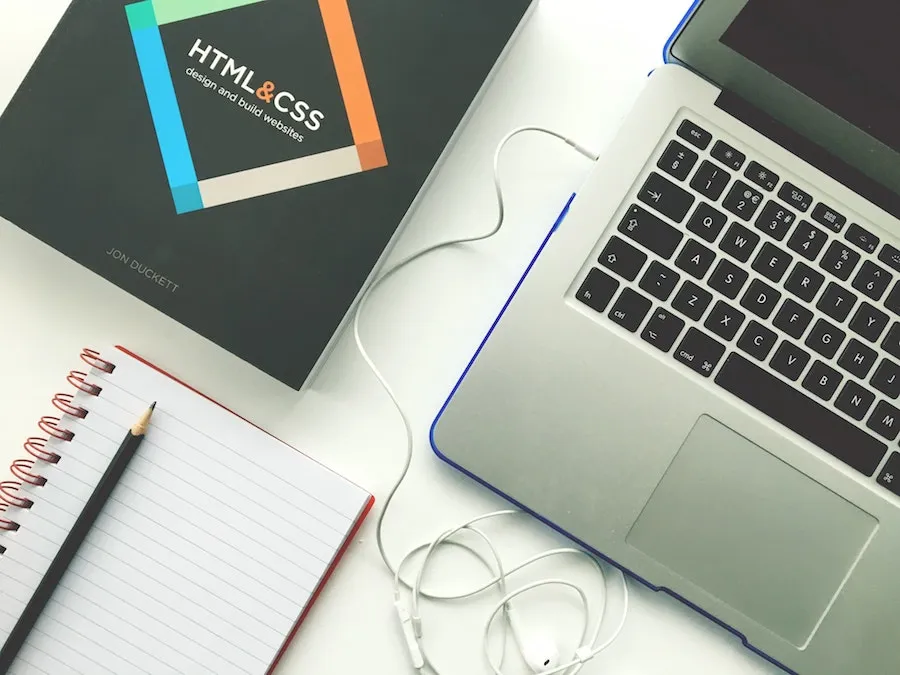
HTML is the ABCs of web development. It stands for Hyper Text Markup Language, the most basic code used to construct a website. This tool is your initial step toward becoming a front-end web developer.
CSS, on the other hand, focuses on the aesthetics of a website. It is short for Cascading Style Sheets. Whereas HTML is about forming the structure of the website, CSS determines your document’s layouts, colors and fonts. Knowledge of both i essential to help you begin a career in web development.
Is it hard to learn?

With consistent study you can have a good grasp of HTML basic concepts pretty quickly. Many tutorials only take a few hours to grasp the basics, but a working knowledge will take a bit longer.
It’s something that does not need a thousand dollar-degree to learn and master. In fact, it’s possible to do basic HTML design in less than a month.
You can start learning the basics of HTML at Codecademy or with Skillcrush’s Break Into Tech program. It is recommended that you study this first before you tackle CSS. Once you’ve gotten the hang of HTML, you can study the basics of CSS at Codecademy for free. Once you become independent in building and beautifying your own website, it’s time to create your portfolio to start applying for jobs online.
How much can I earn?
There are numerous job opportunities that you can tackle with basic skills in HTML and CSS. You can be a custom website builder, a Tumblr page maker, a Wordpress developer or a junior web developer among other positions.
To give you an idea how much you can potentially earn with this skill, Upwork.com states that a basic front-end developer skilled in HTML, CSS, and Javascript can earn anywhere from $15-$50 per hour. Other jobs pay usually on a per project basis.
You can expect your pay grade to go up once you learn other programming languages and gain experience.
Full-Stack JavaScript Development
What is it?
JavaScript runs in the browser and, via Node.js, on the server too, which is exactly why it’s become the default language for remote web development work. A full-stack JavaScript developer builds the interactive front end a user actually sees (typically with React or a framework built on it, like Next.js) and the back-end logic and APIs behind it (typically with Node.js and a database). Knowing both ends makes you employable on a much wider range of remote contracts than knowing just one.
Is it hard to learn?
If you’ve already got HTML and CSS down, JavaScript is the natural next step, and React specifically is the framework most remote job postings ask for by name. Start with the free curriculum at freeCodeCamp or The Odin Project, both of which take you from JavaScript basics through to full-stack projects at no cost. Coursera’s Meta Front-End Developer Professional Certificate is a solid structured alternative if you prefer a guided program, and React’s own documentation and the Next.js learn course are worth working through once you’re past the basics. Scrimba is a good option if you learn better from interactive video than reading docs.
How much can I earn?
Junior front-end developers typically start around $30/hr on platforms like Upwork. Once you’re comfortable across the full stack (front end, back end, and deploying your own projects), the broader freelance market pays $73-$128/hr for experienced developers, and specialized or senior work can go well beyond that.
Mastering Web Design and Development
A web designer and web programmer play two different roles in the creation of an application or website, but it doesn’t mean that you can’t be both. While the first one is more involved in the graphics and interface that users will see, the second one is all about writing the code that will run the whole program.
It pays to have a working knowledge of both fields whether you choose to specialize in one or the other. Having a good sense of design will allow you to envision the output of your code better. Likewise, knowing how the program is written will allow you to set parameters in your design and create programs that are feasible.
Whether you choose to be a designer or a developer, remember that learning is a never-ending process. Even if you count numerous jobs or years of working experience under your belt, continue to update yourself on the latest trends in the industry. If you’re starting from scratch, however, have some patience and persist in training so that eventually, you can break into the market.
These four skills, UX design, UI design, HTML/CSS, and full-stack JavaScript, are a solid entry point if remote work in this field appeals to you, and each stands on its own if you’d rather specialize than learn all four. If languages are more your speed instead, our companion guide on profitable language skills for remote work covers that side of the same series.