
Insurance For Remote Workers - How To Choose The Right Policies

If you’ve spent your whole career in one place, health insurance was probably one of two things: coverage through your employer, or a national healthcare system you never had to think much about. Both of those stop working the moment you’re actually living outside your home country for real stretches of time. Employer plans are usually built around treatment within your home country’s network, and national systems generally only cover residents physically there. Neither one was built for someone who’s actually abroad.
That gap is exactly what a separate category (international, or “nomad,” health insurance) exists to fill: a policy that follows you across borders instead of stopping at one. SafetyWing is the option built specifically for this: Nomad Insurance Essential from $62.72 every 4 weeks if you’re on the move, or Nomad Insurance Complete from $177.50/month if you’re settled in one country long-term. The full comparison between them is further down.
Travel insurance, disability insurance, and life insurance are all worth having too, covered further down. None of them carry the day-to-day risk that health coverage does, but all three are gaps most remote workers don’t think about until they need them.
Does your employer’s cover already protect you abroad?
Check before buying anything. Some companies that hire remotely already insure their people wherever they live, and if yours does, most of this article is a second opinion. If your employer covers you only at home, or doesn’t know where to start, SafetyWing’s Remote Health is built for insuring a distributed team. Freelancers and the self-employed have no one to ask, and this article is mostly for them.

The risks abroad are the ordinary ones, with the safety net removed. A hospital stay in a country where private care is the only good option, with the bill due before discharge. A laptop stolen from a café table, taking a week of income with it. A flight home you suddenly need and can’t easily pay for. Each is survivable with the right policy and expensive without one.
Which nomad health insurance plan fits how you travel?
Standard health and travel policies are built around a home country and trips of a week or two. SafetyWing’s Nomad Insurance works the other way round: it runs as a subscription, starts at $62.72 every 4 weeks (ages 18–39), and can be bought after you’ve already left home.
Nomad Insurance Essential, SafetyWing’s entry-level plan, is best paired with existing health insurance from your home country, as coverage in your home country is limited to 15-30 days in a 90-day period. It’s meant for people living outside their home country for extended periods of time.
Nomad Insurance Essential gives coverage for unexpected illness or injury, including eligible expenses for hospitals, doctors or prescription drugs. This means that if you get ill or injured, they will cover eligible medical expenses, but routine checkups, cancer treatment, and pre-existing conditions (other than an acute, sudden onset) are excluded, and a $250 deductible applies per certificate period.
Free electronics theft cover with code SFHO1. New SafetyWing customers who choose Nomad Insurance Essential on a 28-day subscription or an annual plan get the electronics theft add-on free for their first 8 weeks. On the Nomad Insurance page, click the pink camera icon before you create an account and enter SFHO1. It only works if you’ve never had a SafetyWing account, and after the 8 weeks the add-on renews as a normal paid add-on (on an annual plan, two months of its cost come off the upfront price instead). SFHO1 is our ambassador code, so SafetyWing credits us for the referral.
If you happen to have a costly pre-existing condition, or need cancer coverage, or simply want a plan built for staying in one place for years rather than moving between countries, Nomad Insurance Complete is the step up: $177.50/month (ages 18–39), unlimited home-country time, and it does cover cancer treatment. It also offers optional paid add-ons, including dental and electronics theft coverage. The electronics theft add-on, which Essential offers too, covers up to $2,000 per stolen item, $5,000 per active insurance period and $8,000 lifetime, and you’ll need a police report filed within 24 hours of the theft to claim.
Here’s how the two plans compare:
| Nomad Insurance Essential | Nomad Insurance Complete | |
|---|---|---|
| Price | $62.72 / 4 weeks | $177.50 / month |
| Best for | Moving between countries | Living in one place long-term |
| Home country coverage | 15-30 days per 90-day period | Unlimited |
| Cancer treatment | Not covered | Covered |
| Routine checkups | Not covered | Covered (up to $350) |
| Deductible | $250 flat | Selectable |
| Add-ons | Electronics theft, adventure sports, US coverage | Dental, electronics theft |
(Ages 18–39; pricing varies by age. Figures verified against SafetyWing’s own coverage documents, July 2026; Essential’s add-ons checked on SafetyWing’s plan page, September 2026.)
If your gear is worth more than that add-on’s cap (a serious camera kit, multiple laptops), dedicated gear insurance is worth a separate look; more on that further down, under Is your laptop actually insured?
SafetyWing also offers a separate product called Remote Health, built for businesses insuring a team, even a solo freelancer has to enroll as a one-person plan rather than signing up individually, so it’s a different shape of product from the two above. Worth suggesting to your employer if they’re covering your team; not the pick if you’re insuring just yourself.
If you’re traveling or living abroad with family and want a more traditional insurer instead, Aetna, Cigna, Allianz, and Integra Global (now administered under HCI Group, same coverage) all offer international medical plans built for expat families staying in one country for a year or more. These usually require naming a single country of residence upfront, cost more than SafetyWing, and in exchange offer more comprehensive family coverage than a nomad-focused plan.

If you’re a US citizen just bridging a short gap rather than insuring an ongoing nomadic lifestyle, COBRA (extending a previous employer’s plan for up to 18 months) or the Affordable Care Act marketplace at Healthcare.gov cover that specific case. Neither is nomad-specific, and Nomad Insurance Complete already covers routine checkups if that’s what you’re really after.
If you’d rather recommend SafetyWing to your own audience than just buy a policy yourself, see our guide on how to become a SafetyWing affiliate.
When travel insurance still makes sense for remote workers abroad

Travel insurance for remote workers abroad usually falls into two categories depending on how long you’re gone: standard trip coverage, and something built for longer stays. If you’ve gone on vacation to a Schengen country, chances are you’ve already obtained a standard travel insurance policy. This kind of insurance covers common problems such as cancellations, flight delays, and lost baggage, perfect for the occasional tourist, but only for the length of a single trip. World Nomads and IMG are established providers. Often travel insurance covers:
- Medical repatriation
- Travel accidents
- Lost and delayed luggage
- Trip cancellation and interruption
- Death overseas
- Travel health
- Stolen baggage (often excluding stolen money)
- Overseas emergency dental
- Protection against assault
- Personal liability
- Overseas medical emergency
Cancellation cover is usually bundled into these policies: it pays out if a trip is canceled or interrupted for a serious cause (major injury, death, a close family member’s death), but not for pre-existing conditions or simply changing your mind. Some insurers sell “all-risk” cancellation cover that pays out for any reason, at a higher price.
If your trip runs longer than a standard vacation but you’re not ready to commit to full nomad insurance, dedicated medical-focused plans fill the gap: Seven Corners’ Expat & Nomad Health Insurance is a current example built for exactly this middle ground.
Is your laptop actually insured?
This isn’t just a photographer’s problem. If you make a living from a screen, your laptop isn’t a gadget, it’s your income sitting in a bag that goes through airport security, sits on café tables, and gets left in Airbnbs. A blogger writing from a co-working space has exactly the same exposure as someone hauling a camera kit: one laptop, stolen or dropped, and the work stops. Most remote workers never insure any of it separately, and find out the hard way that neither health insurance nor a standard travel policy covers it well.
A few different options cover this, depending on what you actually need:
- Already on SafetyWing’s Nomad Insurance? Its electronics theft add-on (covered above) is the cheapest way to get some coverage, up to $2,000 per item, $8,000 lifetime max, and new Essential customers get the first 8 weeks free with code SFHO1. Fine for a single laptop or phone, not enough for a serious camera kit or multiple machines.
- Already buying travel insurance for a specific trip? World Nomads’ standard policies already include coverage for gadgets, cameras, and laptops, check what’s included before assuming you need a separate policy just for a short trip.
- Want coverage that isn’t tied to a specific trip? Your gear sitting in an apartment, not just while you’re in transit. Gallagher’s International Personal Property Insurance (formerly Clements Worldwide) is built for expats specifically, customizable, and starts around $60/year.
- US-based and want equipment coverage bundled with professional liability for your creative work? Thimble sells on-demand policies by the day or year (equipment, lenses, lighting gear), though it’s US-only.
What happens to your income if you can’t work abroad?
For the self-employed worker, a day without work often means a day without income. Disability insurance replaces part of that income if illness or injury keeps you from working, different from accident insurance, which typically pays a one-off lump sum rather than ongoing income.
Most disability insurance is sold within a single country, which makes it a poor fit once you’ve left yours. William Russell sells international income protection built for expats and digital nomads specifically: worldwide portability, income replacement of up to 80% of your salary (capped at US$144,000), after a waiting period of three or six months.
Does your life insurance work abroad?
To put it bluntly, life insurance protects your family in case you die, and most standard policies weren’t built with border-crossing in mind, often carrying residency clauses that can invalidate coverage once you’ve been away for six to twelve months.
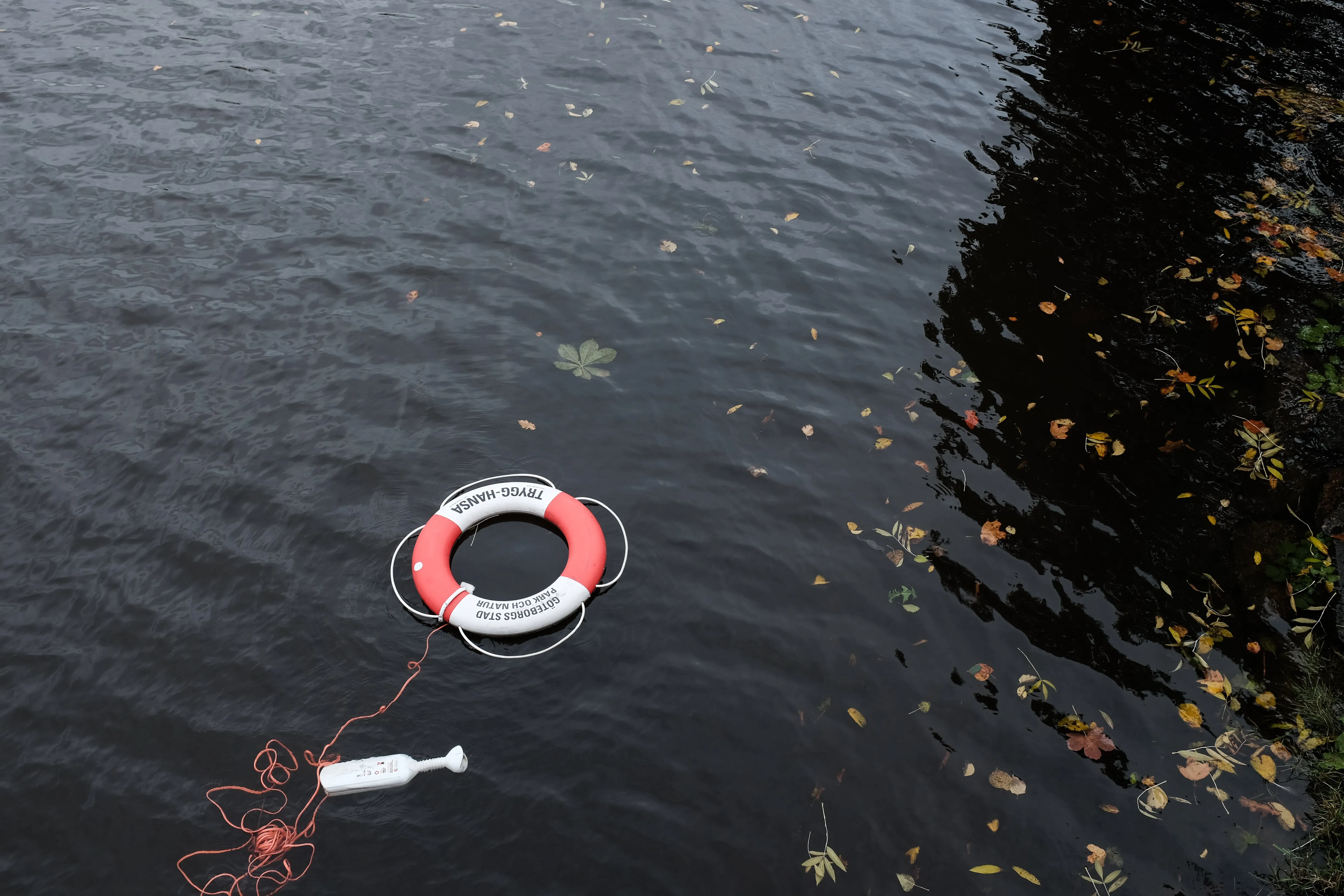
William Russell offers international life insurance built for the same audience, with coverage up to $2 million (or the GBP/EUR equivalent) and no change in premium based on where you live or travel. If you’re specifically a US-based freelancer, Freelancers Union offers member term life insurance too, though it’s restricted to US residents.
Which insurance to buy first as a remote worker abroad
Start with health insurance, it’s the one you can’t skip. Moving between countries several times a year points to Nomad Insurance Essential; settled in one country long-term, or need cancer coverage, points to Nomad Insurance Complete.
From there, add what actually matches your situation: travel insurance if you’re taking a separate short trip beyond what your nomad policy covers, dedicated gear insurance if your laptop or camera kit is worth more than a couple thousand dollars, and disability or life insurance if anyone depends on the income you’re currently not protecting. Skip anything that duplicates coverage you already have, whether that’s through an employer, a spouse, or an existing policy back home.